

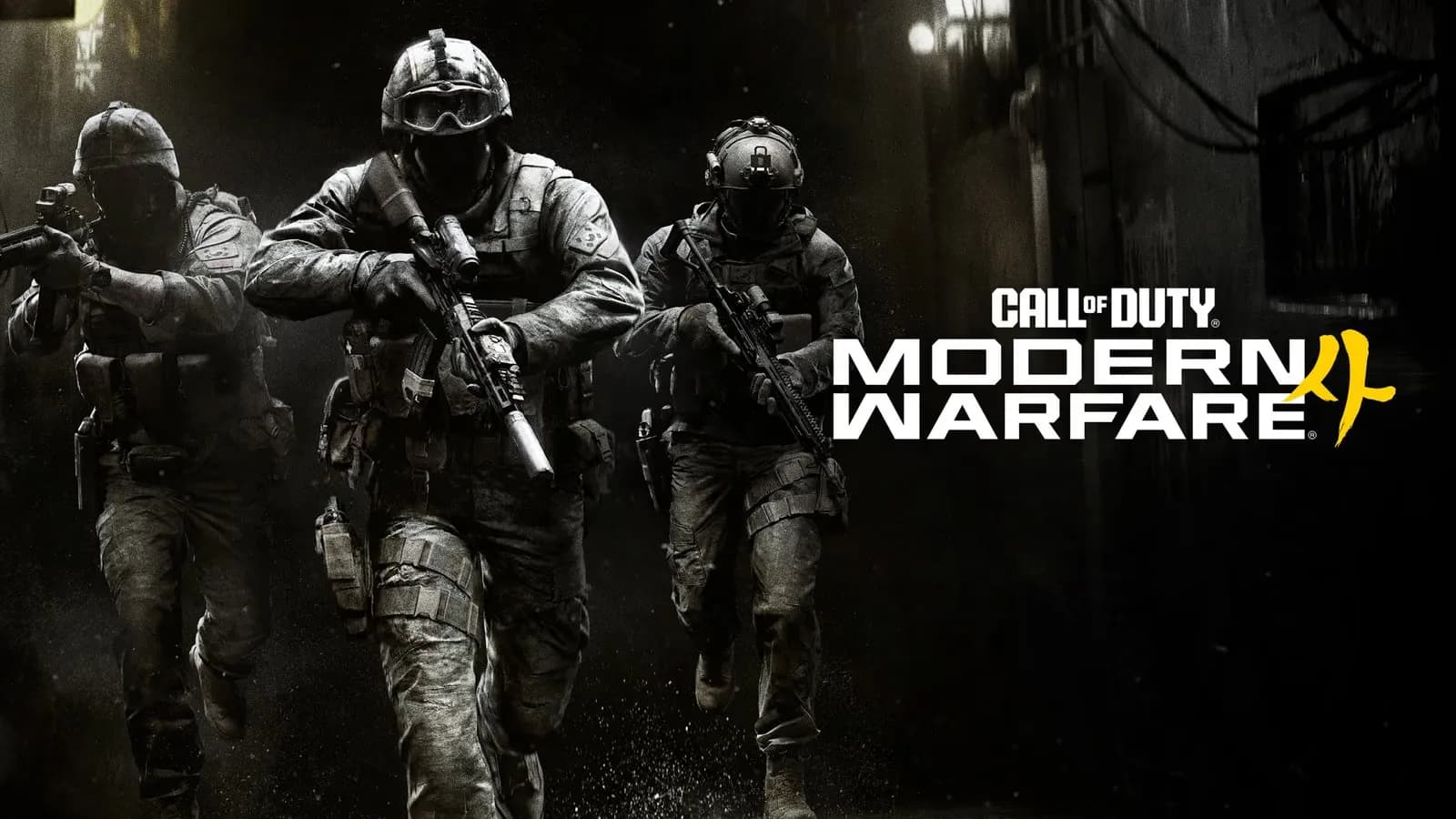
After *Modern Warfare 3* (2023) and a campaign that was disappointing, to say the least, it seemed like the series was headed downhill. The only hope lay in the name of the studio behind it: MW3 was developed by Sledgehammer Games, while Modern Warfare 4 returned to Infinity Ward, the team that started this whole reboot. Well, to my delight, the campaign in Modern Warfare 4 not only lived up to expectations but actually exceeded them.
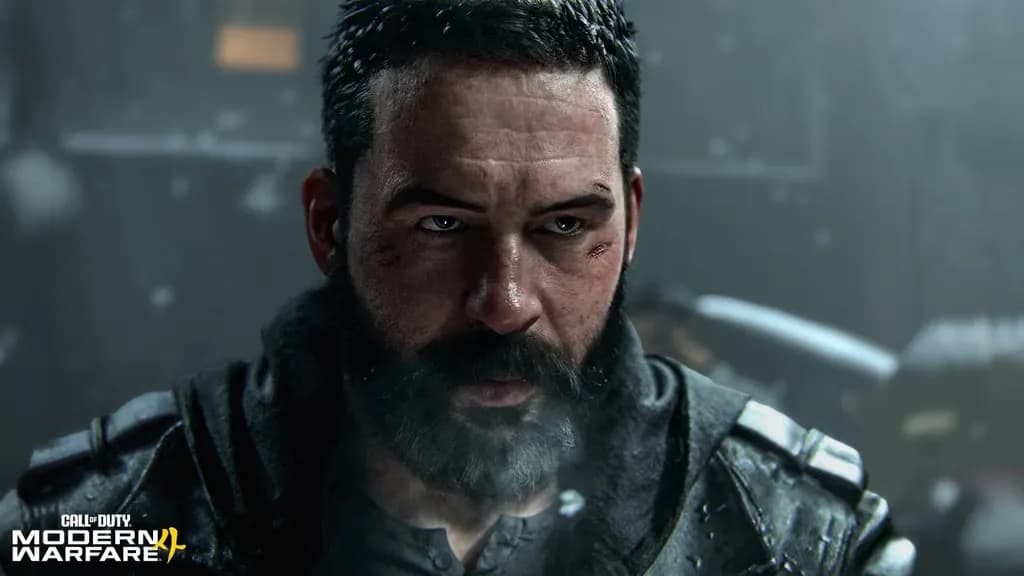
Without giving away any major spoilers, the story brings us back to the characters we already know very well. John Price is now considered a fugitive following the events at the end of MW3, and Ghost and Gaz, his former partner, are hot on his trail. Price has no one left to rely on, so he teams up with Valeria Garza (MW2) in an attempt to dismantle Konni, the group of Russian ultranationalists led by none other than Makarov (or is it?).
Mads Mikkelsen, the icing on the cake
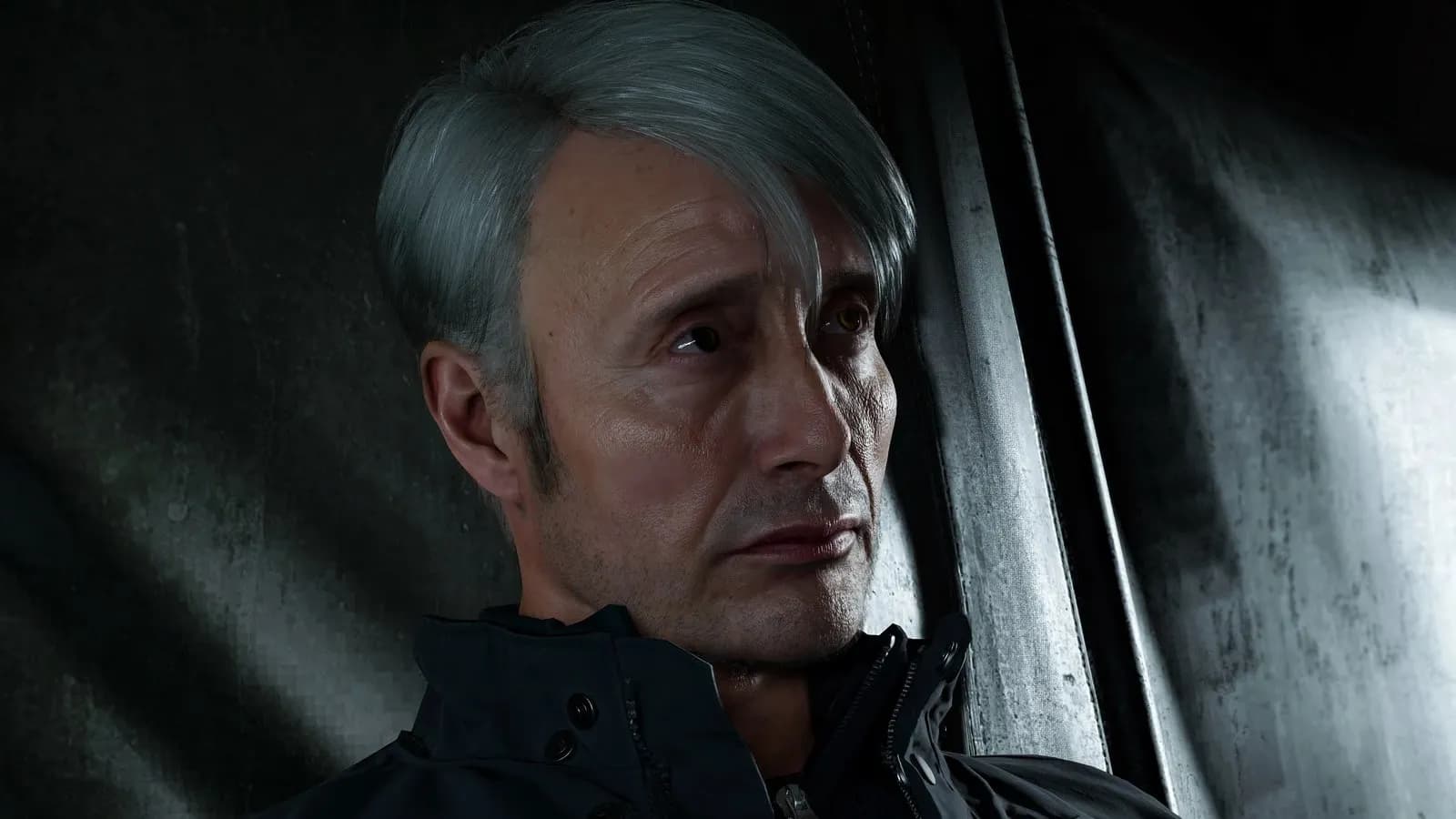
A surprise among the story’s key characters was the presence of Mads Mikkelsen, who plays “the Archer,” the game’s main antagonist. I don’t want to go into detail about his role, so as not to spoil the experience, but I can say that he’s truly the icing on the cake. He commands the screen in every scene he appears in, and the motion capture makes every glance and every line count.
Two narratives and many shifts in perspective
This time around, we have two storylines. While the first storyline follows Price’s story, the second deals with a war between North Korea and South Korea—which I really enjoyed. I was getting a little tired of the never-ending U.S.–Russia or U.S.–China conflict, although even here I didn’t escape it entirely.
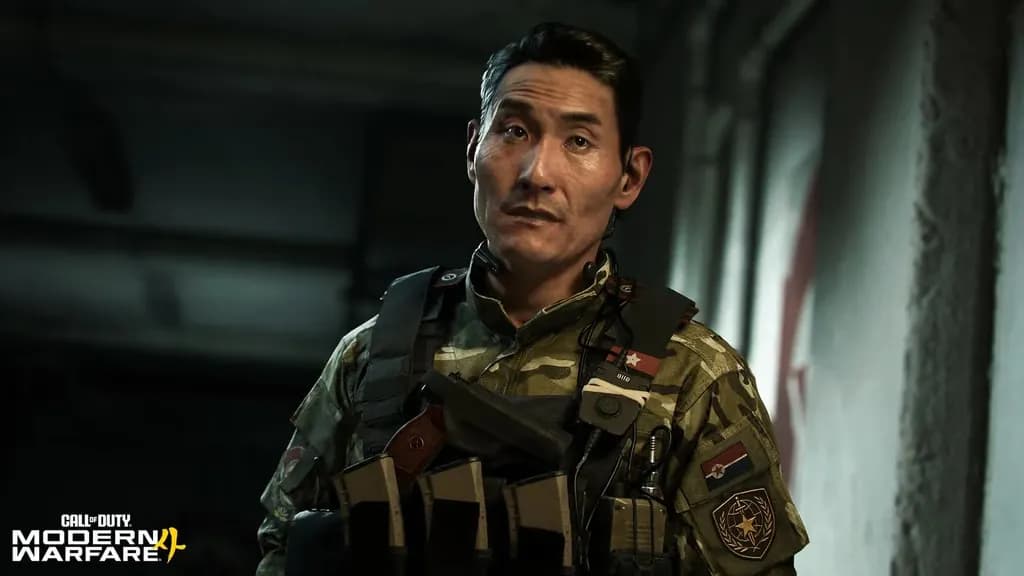
Along with these two narrative threads come numerous shifts in perspective and timeline. We see the story through the eyes of several characters: from Park Hyun-Jun, a South Korean soldier whom you control most of the time during the campaign and who is the main character on the front lines between the two Koreas, to John Price, with whom you play the narrative in which you hunt down Konni, and even from the perspective of the North Korean leader or a soldier in his army.
Although all these storylines are very interesting, the transitions from one mission to another—both in terms of the timeline and the characters—left me a little disoriented. I was pretty confused, and it wasn’t until about halfway through the campaign that I think I understood enough to keep up. It’s not necessarily a drawback that ruins the experience, but it’s good to know ahead of time that the first few hours require a bit of patience.
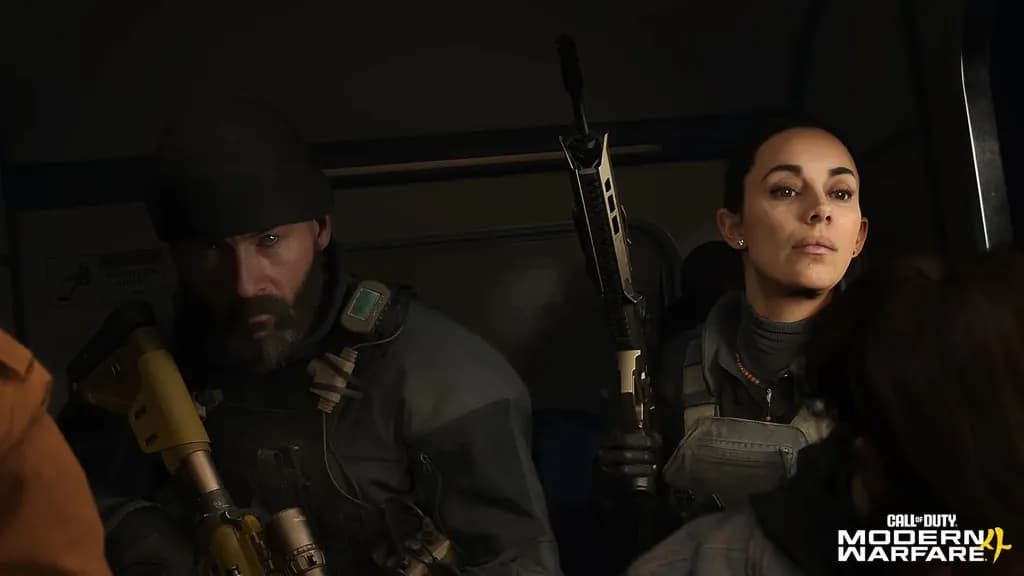
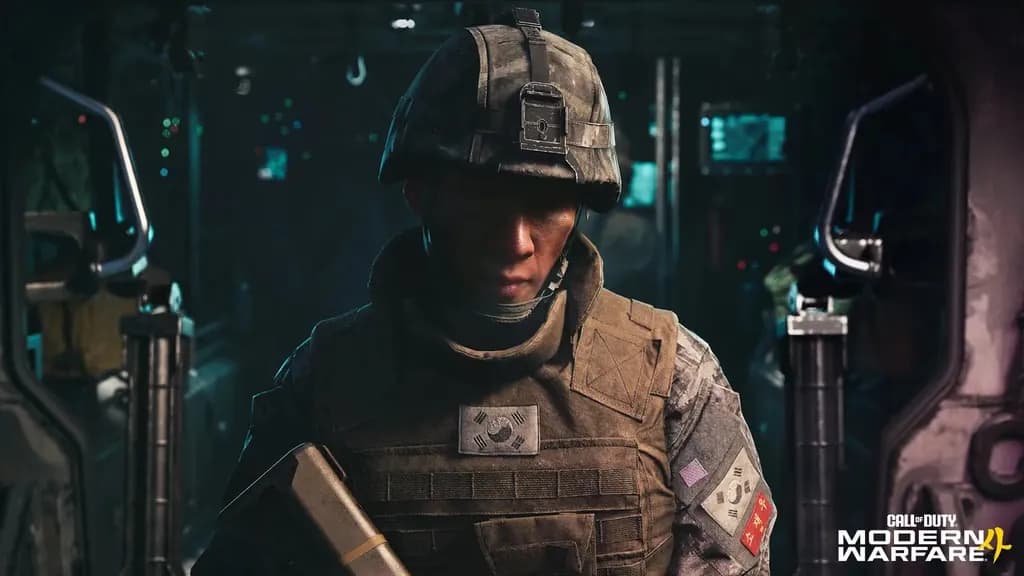
Stranded and Counter Attack
One thing I really enjoyed was the "Stranded" mission, where you get to enjoy a long gameplay session in an open-world map set in North Korea. You have to complete various objectives, uncover all kinds of secrets, and liberate outposts. The entire time I spent there reminded me of Ghost Recon Wildlands.
And here comes the slightly painful part. I think the mission would have been much more enjoyable if it had given you the chance to control a squad. Instead, for almost the entire mission (with a few exceptions), you’re on your own, and since it’s a mission that takes a considerable amount of time—especially if you’re aiming for 100% completion—you end up feeling pretty lonely and, at times, getting bored. If they’d borrowed the part from *Wildlands* where you have AI-controlled teammates to help you complete your objectives, I think it would have been much more interesting.
Another mission I enjoyed, given its parallels with the Normandy Landings, is “Counter Attack.” Right at the start, you land on a beach from the sea to retake the city, and—just like on D-Day—you’re met with fierce resistance. Whether or not the parallel was intentional, I really appreciated it.
Visuals and audio: nearly photorealistic
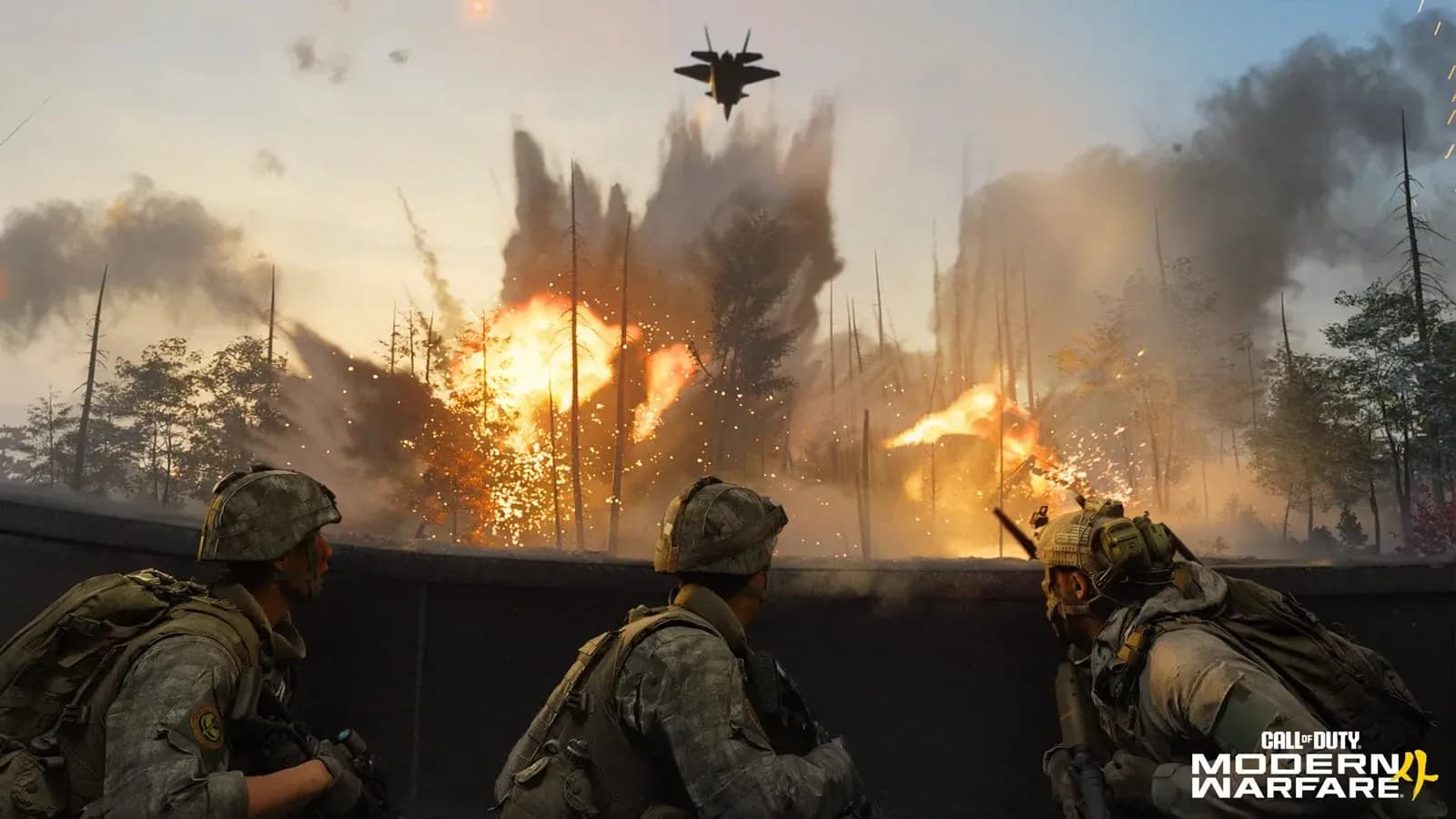
Visually and aurally, the game excels. The cutscenes are superbly crafted, the motion capture looks amazing (especially for Mads Mikkelsen), and the tension and dramatic explosions—which even Michael Bay would be proud of—create exactly the right atmosphere for a story like this.
Right from the very first mission—where you walk into a grocery store to buy a few things—you’re struck by the realism and the quality of the graphics. The products on the shelves and the entire store are almost photorealistic. Likewise, the missions set in North Korea and inside the Supreme Leader’s palace are extremely well-crafted. I was almost convinced we were talking about a DLSS 5 implementation here, so I was quite surprised to see that the game didn’t come with DLSS 5, but with DLSS 4.5. I’m curious to see what difference the new DLSS would make, given that the game already seemed almost photorealistic to me in many situations.
A solid performance, with one bizarre decision
In terms of performance, the game seems to be fairly well optimized. There were very few moments when I noticed frame rate drops during gameplay. However, during cutscenes, I noticed a few times that the frame rate would switch quite abruptly from 120 fps in gameplay to 30 fps in the cutscene and then back to 120, and you could actually feel everything slow down. I don’t think this is something a patch in the near future can’t fix.
There’s one thing, though, that I honestly don’t understand. I would have liked to play everything on ultra settings with ray tracing, but I couldn’t, because enabling that option meant disabling DLSS. This is the first game where I’ve encountered this limitation, and although the folks at Infinity Ward explained that they did this for better performance and fidelity, I refuse to accept that argument. It strikes me as a bizarre decision, to say the least.
Conclusion
Overall, the campaign in Modern Warfare 4 impressed me and kept me glued to my computer until the very end. Ever since the series reboot, I’ve found the campaign in MW (2019) to be exceptional, and I didn’t think it would ever be matched. Well, I’ll say it and admit that Modern Warfare 4 is at least just as good.
The length is just right—it’s not a short campaign, but you never get bored either. The fact that it has two storylines that, of course, intersect at some point is a welcome touch, and the new elements—including that open-world mission—made the campaign feel fresh to me.
Will there be a Modern Warfare 5? I don’t know. A narrative thread is left open for a sequel, and I sincerely hope one will be made. One thing is certain: the DMZ mode is currently the “sequel” to the Modern Warfare 4 campaign, and Infinity Ward has confirmed that, at least for a while, we’ll encounter characters there that we’re already familiar with. It remains to be seen to what extent and how this story will continue.
Overall score
Call of Duty Modern Warfare 4 — PC, PS5, Xbox Series X|S, Nintendo Switch 2
- Developer
- Infinity Ward
- Genre
- FPS
- Release date
- 23 October 2026
Pros
- Mads Mikkelsen, an excellent antagonist
- Two narratives, with a North Korea–South Korea conflict that slightly changes the landscape
- Nearly photorealistic graphics and stunning cutscenes
- Memorable missions such as "Stranded" and "Counter Attack"
- Just the right length and a fresh, campaign-like feel
Cons
- The frequent shifts in perspective and timeline are confusing in the first half
- The open-world mission feels lonely without a squad
- Ray Tracing disables DLSS

Ruru
Founder of Newspigeon. I write about games, movies, TV shows, and technology.
Comments
Be the first to comment.