

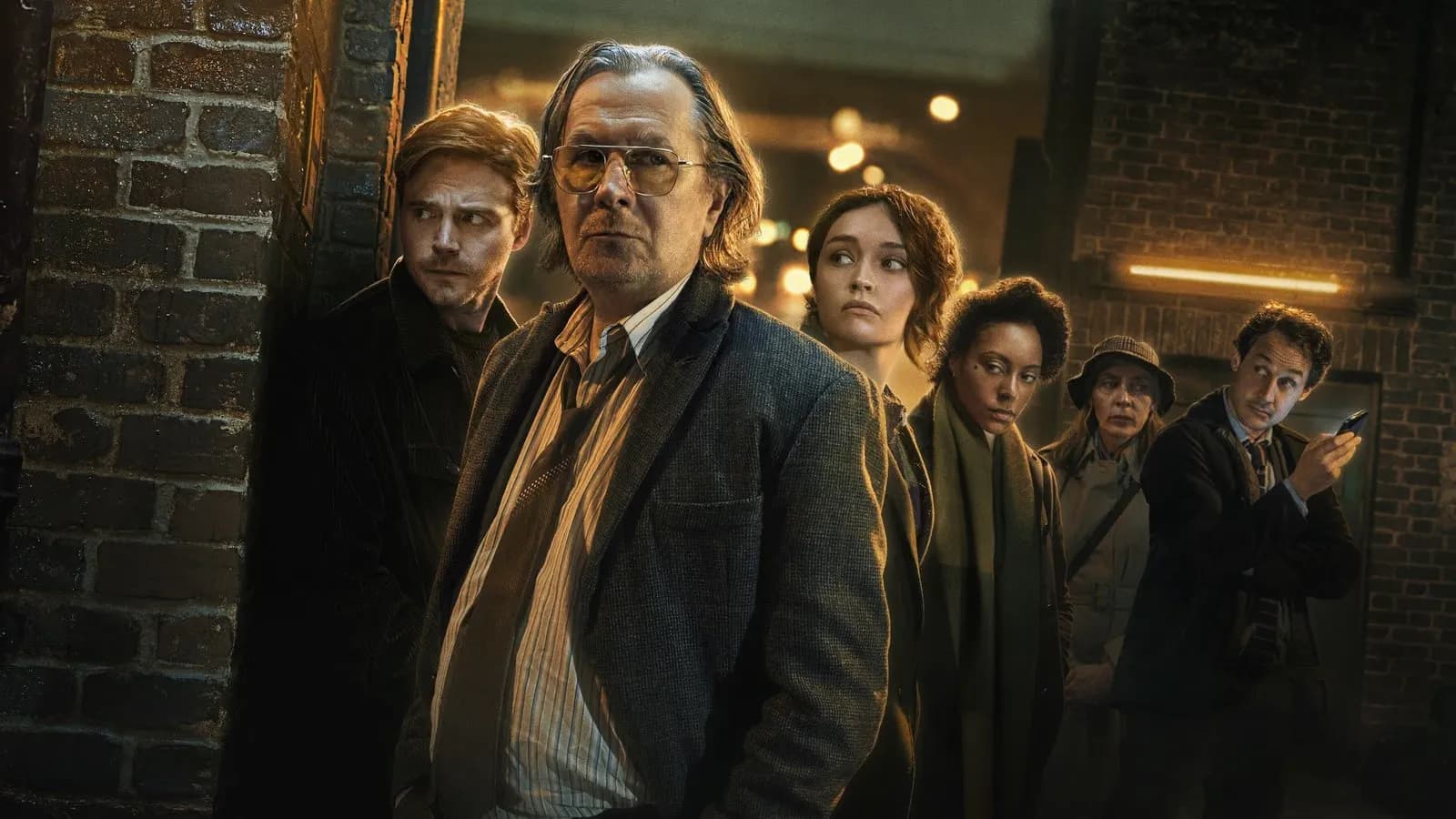
When you say “spy series,” most of us think of the same formula: a super-talented agent with state-of-the-art gadgets who leaps off buildings, saves the world, and gets home in time for a martini. James Bond, Jason Bourne, Ethan Hunt. Well, Slow Horses is the exact opposite of that formula, and that’s exactly why I liked it so much.
I’ll admit I’d heard about this show for a while, but I didn’t pay it much attention. About a month ago, with nothing else to do, I decided to watch the first episode, just to see if it would hook me or not. It turns out it did, because within a month I’d caught up: six seasons, each with six episodes.
If I had to compare it to something, the closest thing that comes to mind is Tinker Tailor Soldier Spy, the adaptation of John le Carré’s novel in which, ironically, Gary Oldman also played the lead role. It’s the same world of British intelligence—gray, full of offices, files, and political games—only here, instead of the elegant George Smiley, we have Jackson Lamb, who is pretty much everything Smiley wasn’t. Add to that a bucketful (not a drop, but a bucketful) of British black humor, and you’ll have a pretty good idea of what Slow Horses is all about.
Slough House, the place where careers come to die
For those who don't know anything about it, Slow Horses is an Apple TV series created by Will Smith (the British screenwriter, not the actor) based on Mick Herron's Slough House series of novels. The story revolves around MI5, the United Kingdom’s domestic intelligence service—a sort of British FBI.
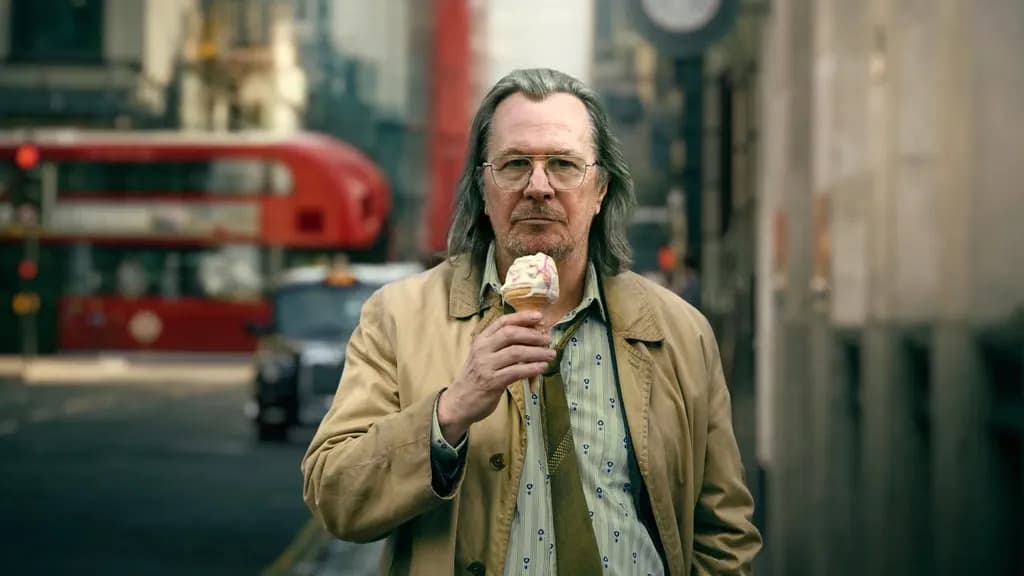
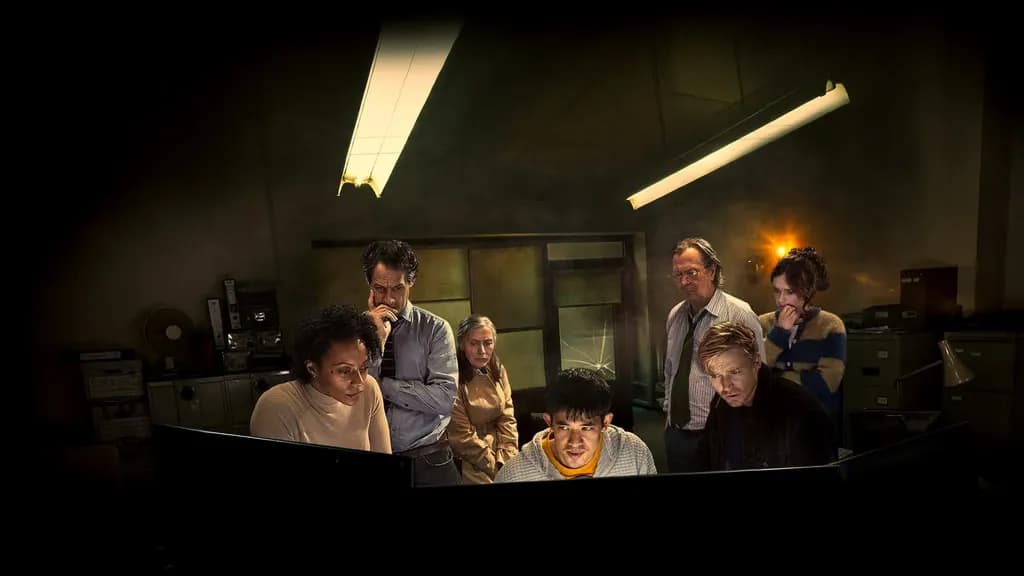
Within MI5, there is a team nicknamed “Slow Horses,” made up of agents who have made serious mistakes in their careers and who, instead of being fired, are sent to Slough House, a dilapidated building where they are given the most tedious tasks imaginable, in the hope that they will quit on their own. The team is led by Jackson Lamb (Gary Oldman).
The problem—or the best part, depending on how you look at it—is that this dysfunctional team somehow always ends up in the spotlight and finds itself involved in MI5’s most important operations. And, despite all their clumsiness, they manage to pull things together in the end. I know, it sounds pretty cliché when you read it like that, but the show delivers on this much better than any simplistic description ever could.
It's not a comedy, but it makes you laugh
Before I go any further, I want to clarify one thing. When you hear “the worst spies in MI5,” you might think of a comedy that focuses solely on their blunders and the reasons they ended up there. That’s not the case. Slow Horses is a serious series that tackles serious themes: terrorism, betrayal, power struggles within the intelligence services, and people who pay the price for the decisions of others.
The humor doesn’t come from situations designed to amuse you, but from the characters, their dialogue, and the cynicism with which they view their own situation. It’s that dry, dark humor—somewhat characteristic of the British—that pops up exactly when you least expect it and keeps the tension from ever becoming overwhelming.
Gary Oldman, in the role of a lifetime
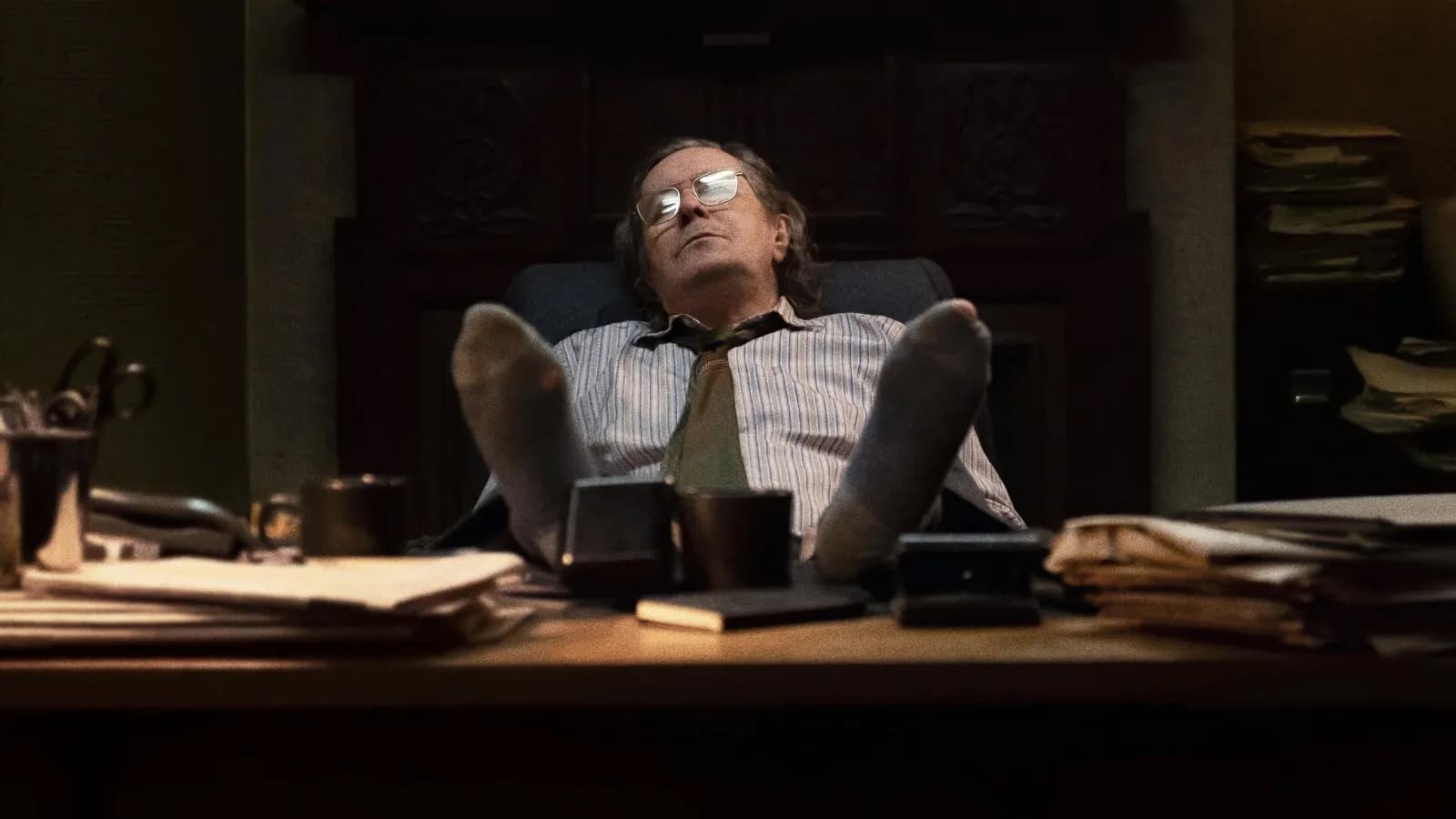
"Slow Horses" has a fairly dynamic element: many of the characters change from one season to the next, but there is also a core group that remains. And at the center of it all stands, of course, Jackson Lamb.
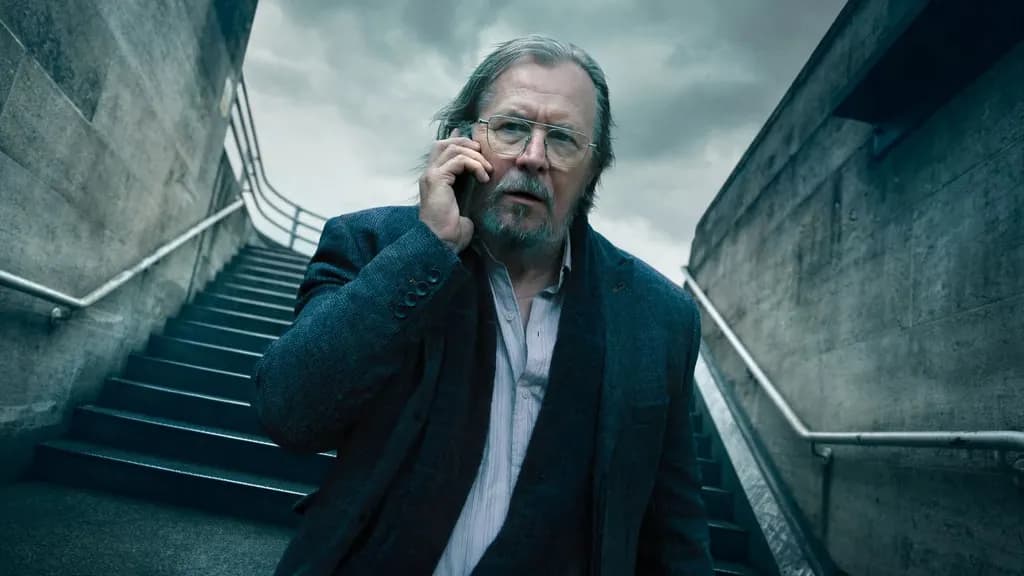
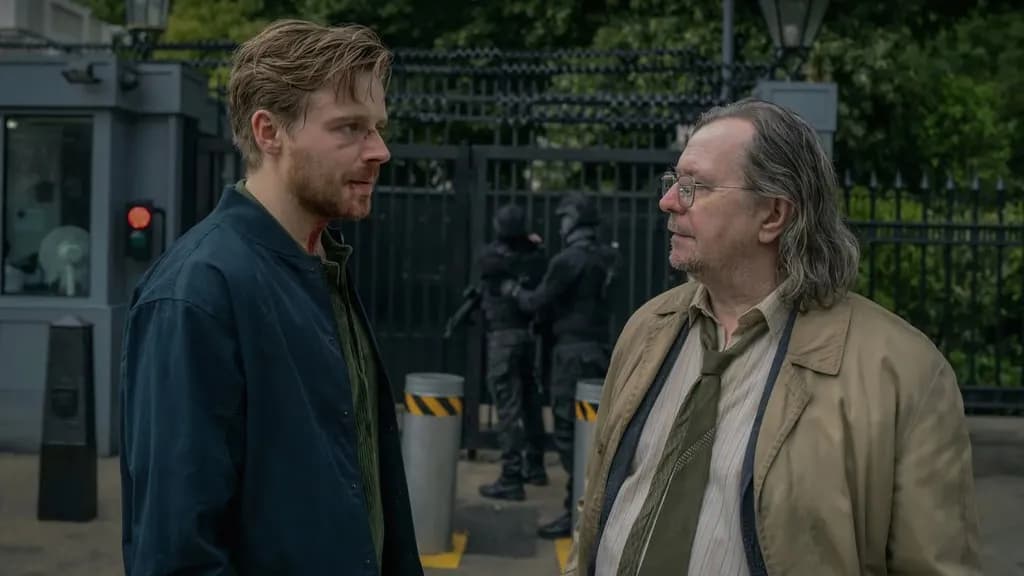
Lamb is a character who is as brilliant as he is repulsive, obnoxious, and cynical. He’s unkempt, smokes nonstop, doesn’t hesitate to insult his subordinates, and seems not to care about absolutely anything—even though he’s usually three steps ahead of everyone else. Gary Oldman delivers here, in my opinion, if not the role of his life, then certainly one of the best performances of his entire career. And that’s no small feat—after all, we’re talking about the actor who won an Oscar for playing Winston Churchill. Every time he appears on screen is a delight, and the character’s dark humor and cynicism are extraordinarily well-written and delivered.
The rest of the team
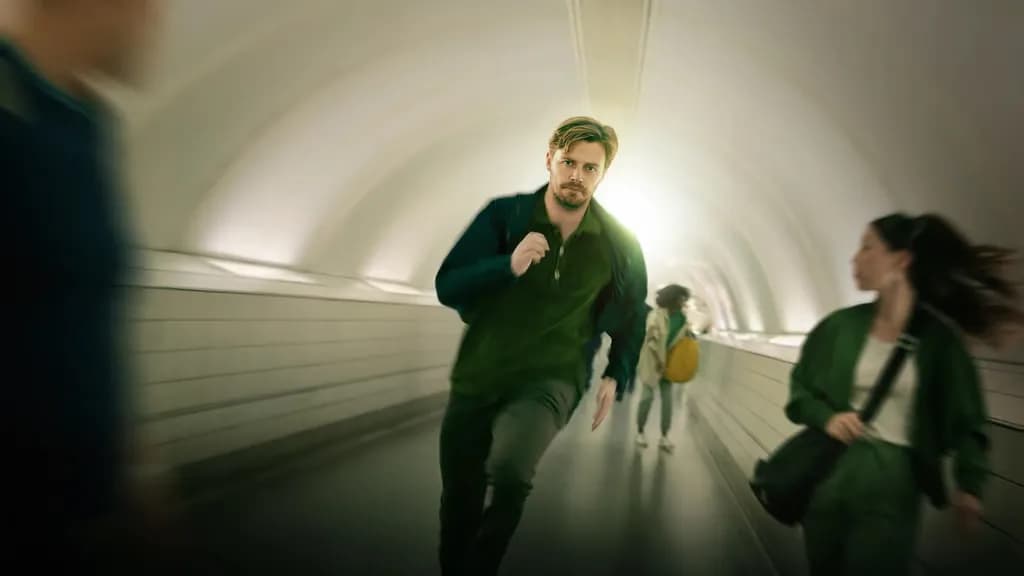
Alongside Lamb is River Cartwright (Jack Lowden), who is, in a way, the show’s main character. Almost everything revolves around him, and much of what happens is connected to him or his family’s past. As an aside, Jack Lowden is currently one of the names being mentioned for the role of the next James Bond, and Gary Oldman has already publicly said he’s rooting for him. It would be a lovely irony if the best of the worst spies were to become 007.
Catherine Standish (Saskia Reeves) is Lamb’s “secretary” and the person who seems the most empathetic of them all. Roddy Ho (Christopher Chung) is a highly skilled hacker, but with a personality that’s questionable, to say the least: arrogant, awkward, and always convinced he’s much more important than he really is. Shirley Dander (Aimee-Ffion Edwards) is a good agent, but she has serious anger management issues, while Louisa Guy (Rosalind Eleazar) is probably the most capable and experienced member of the team.
And I can’t help but mention Diana Taverner (Kristin Scott Thomas), the number two (and sometimes number one) at MI5, who is practically the opposite of Lamb: impeccable, calculating, and just as dangerous—only from her elegant office in Regent’s Park. The dynamic between the two is one of my favorite parts of the series.
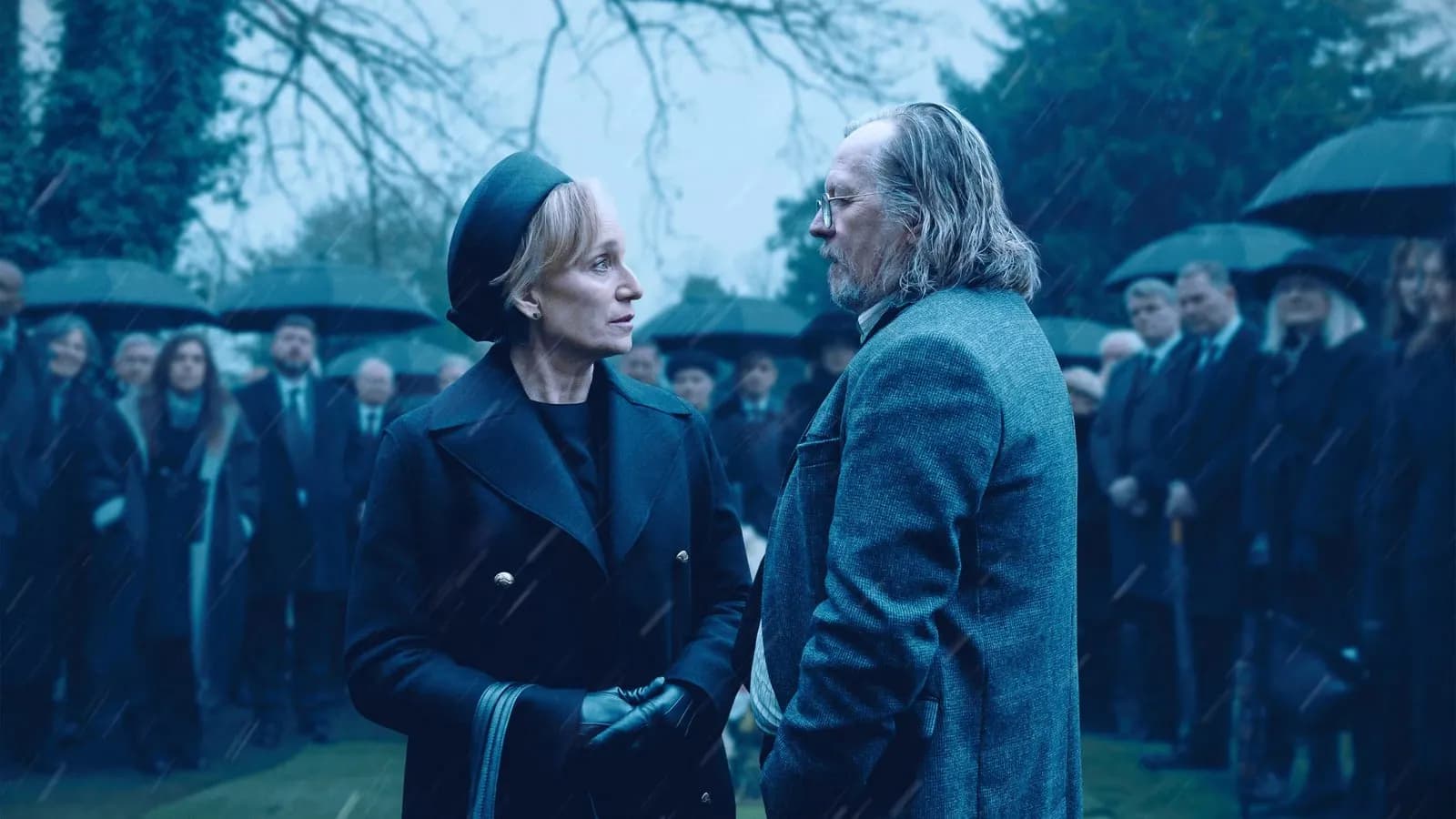
Besides Gary Oldman, the rest of the cast is also impressive. Each actor plays their character incredibly well and brings a sense of authenticity that makes you believe these people really exist, somewhere in a dingy London office.
New Cases, Same Story
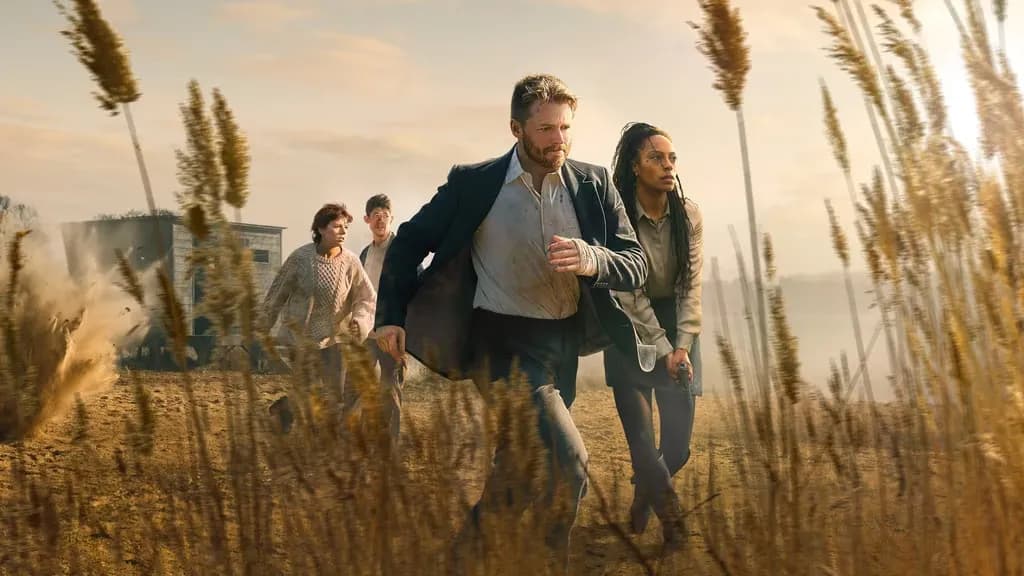
Each season has its own case, which begins and ends within the six episodes. In addition to these, however, there are also a few storylines that connect the characters and carry the plot forward from one season to the next. River Cartwright and his family are one of these connecting elements, at the center of the story, but without seeming forced or pointless. Everything is as well thought out as possible.
This format—six episodes per season—also ensures that the series has no downtime. There are no filler episodes, and each season ends right on cue, usually giving you a good reason to hit “next” right away.
Still from a movie
The visuals are incredibly good. Every shot is perfectly filmed, framed, lit, and color-graded, and London looks exactly as it should for a story like this: cold, gray, and a little grimy. It’s clear that this is a production backed not only by a huge budget but also by a very experienced team.
And here's a little bonus for those who don't skip the intro: the theme song, "Strange Game," was written and performed by Mick Jagger. It fits the tone of the series perfectly.
[GALLERY: slow-horses/newspigeon-review-slow-horses-photo-01.jpg … photo-08.jpg]
Conclusion
Overall, I really enjoyed Slow Horses. I'm glad I gave it a chance and didn't give up on it after the first episode, because I ended up binge-watching the whole series in a single month—something I haven't done with a TV show in a long time.
This isn't a show for those looking for nonstop action, gadgets, and Mission: Impossible-style stunts. But if you want a clever spy story, with characters who have real flaws, suspense, and British dark humor, I recommend it without hesitation. Especially since Apple TV is now officially available in Romania, so there’s no excuse not to watch it.
And the good news is that the story doesn't end here: Apple has already confirmed seasons 7 and 8. It remains to be seen how soon they'll arrive, because I, for one, would love a few more years of Jackson Lamb.
Overall score
Pros
- Gary Oldman, brilliant as Jackson Lamb
- British black humor that doesn't undermine the tension
- Characters with real flaws and an excellent cast
- Narrative threads that connect the seasons without seeming forced
- Flawless image in every frame
Cons
- If you're expecting nonstop action in the style of Bond or Mission: Impossible, you might be in for a surprise
What did you think?

Ruru
Founder of Newspigeon. I write about games, movies, TV shows, and technology.


Comments
Be the first to comment.